
The Artemis II launch in 2026 is one of the most important space missions of this decade. It is part of NASA’s Artemis program. This mission will send humans around the Moon for the first time in over 50 years. NASA wants to take people back to the Moon and, later, to Mars. Artemis II is the first step in that journey.
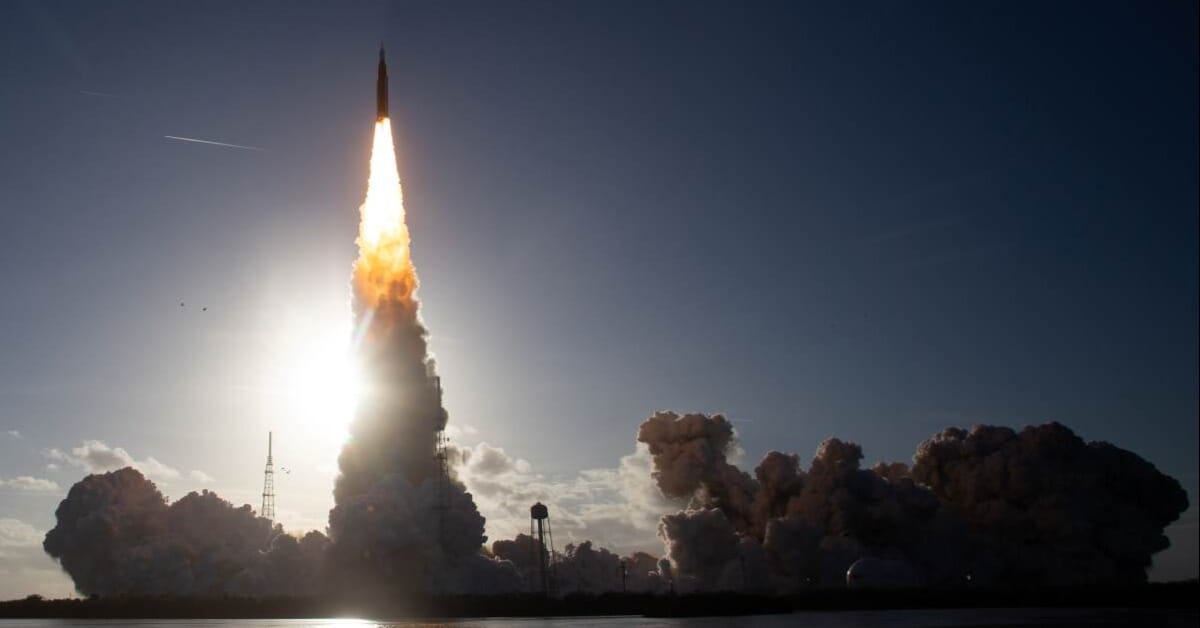
Table of Contents
Artemis II Launch 2026 Overview
The main goal of Artemis II is to test deep-space travel with astronauts aboard. It is the first crewed mission in the Artemis series. This mission will help NASA prepare for future Moon landings and even missions to Mars.
The last time humans traveled to the Moon was during the Apollo 17 mission in 1972. Since then, no human has gone that far into space. Artemis II will change that and start a new era of exploration.
What is the NASA Moon Mission 2026?
The NASA moon mission 2026 is officially known as Artemis II. It is designed to carry four astronauts into space. They will travel around the Moon and then return safely to Earth.
This mission will not land on the Moon. Instead, it will perform a lunar flyby. This means the spacecraft will go around the Moon without landing. The main purpose is to test systems in real conditions with a human crew.
This mission will check life support systems, navigation tools, and communication systems. All these systems must work perfectly before NASA sends astronauts to land on the Moon again.
Why Artemis II Is the First Human Moon Mission in 50 Years
Artemis II is important because it will be the first time humans have traveled to the Moon in over 50 years. After the Apollo missions ended, space agencies focused on low Earth orbit missions.
Now, NASA is ready to explore deep space again. This mission shows that humans can travel far beyond Earth safely.
The phrase “first humans on the Moon 50 years” is not just a headline. It is a historic milestone. It proves that technology has improved, and space exploration is moving forward again.
Artemis II Launch Date, Time, and Location
NASA launched its Artemis II mission on Wednesday, April 1, 2026. The rocket lifted off at 6:35 p.m. ET from Launch Pad 39B at Kennedy Space Center in Florida.
Four astronauts are on board for a 10-day trip that will take them around the Moon and back home to Earth. It's a big deal the first time people have flown to the Moon in decades.
This flight is mainly a test run to make sure everything works perfectly. Then, NASA will attempt the moon landing mission.
SLS Rocket Launch 2026 and Orion Spacecraft
NASA’s Space Launch System, or SLS, is the powerful rocket used to launch the Artemis II crew into space in April 2026. Towering more than 320 feet tall, it is the most powerful rocket that NASA has ever constructed. Perched atop the SLS is NASA’s Orion spacecraft, a capsule engineered to carry four astronauts safely through deep space, encircling the Moon and returning to Earth. The SLS and Orion are the twin beating hearts of NASA’s Artemis program.
Meet the Artemis II Astronaut Crew
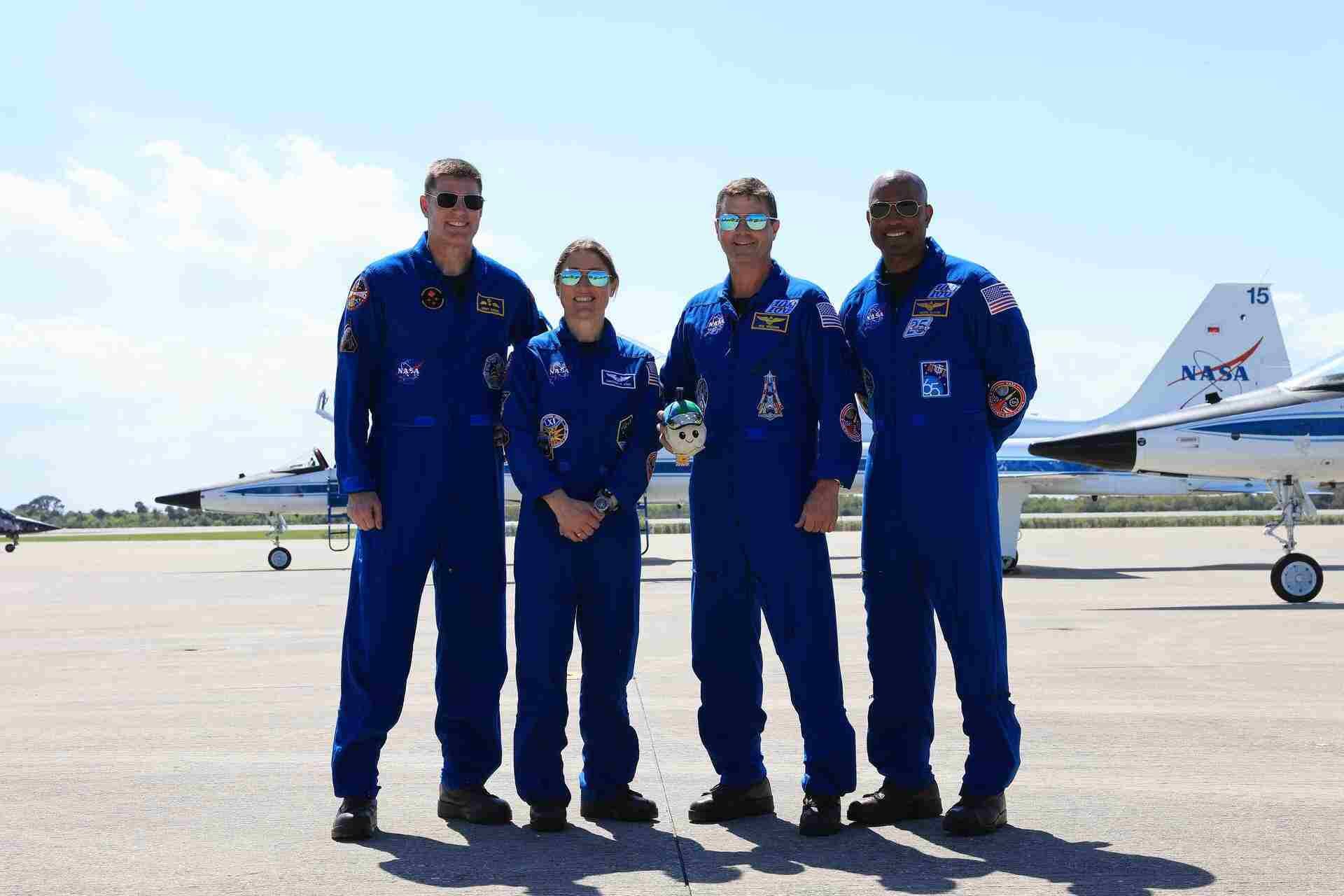
Reid Wiseman is leading the way as Commander. He's the one keeping the crew safe and the mission on track across a 10-day journey through deep space.
Victor Glover is the Pilot. He's also making history as the first Black astronaut to ever fly to the Moon, a moment that's a long time coming.
Christina Koch is the Mission Specialist and the first woman to travel this far from Earth. That's not a small thing. It's a big deal, and she's earned every mile of it.
Then there's Jeremy Hansen, flying on behalf of the Canadian Space Agency. He's the first Canadian to make this trip, and honestly, that's pretty incredible for an entire country to be proud of.
These four people come from different backgrounds, but they're flying together toward the same destination. It's not just a mission, it's a sign of what comes next for all of us.
Mission Timeline: From Launch to Lunar Flyby and Return
The Artemis II launch in 2026 kicked off on April 1, 2026, at 6:35 p.m. ET from Kennedy Space Center in Florida. Shortly after liftoff, the SLS rocket launch in 2026 pushed the Orion spacecraft out of Earth's atmosphere and into orbit. Over the next few days, the crew traveled deeper into space, passing the Moon and completing a lunar flyby, the closest humans have been to the Moon in over 50 years. After swinging around the Moon, Orion began its journey back to Earth, splashing down in the ocean after 10 days in space, wrapping up one of NASA's most important test flights in history.
Key Objectives of Artemis II Mission
Before NASA sends anyone to land on the Moon, they need to answer one big question: Does everything actually work with real people on board?
That's what Artemis II was for.
The Orion spacecraft and the SLS rocket had flown before, but never with a crew inside. So this mission was essentially a test drive of a real one, in deep space, with four astronauts trusting their lives to it.
NASA was checking everything. Can the life support system keep the crew breathing and comfortable? Do the communications hold up that far from Earth? And when it's all over, can the spacecraft survive the fiery re-entry and bring everyone home safely?
None of these is a small question. And you can't fully answer them with robots or simulations. You need people on board to know for sure.
So that's what 2026 was about, not landing on the Moon just yet, but proving the mission is ready to get there. Think of it as NASA doing its homework before the big test. If Artemis II goes well, the next crew doesn't just visit the Moon; they land on it.
Artemis II vs Artemis I: Key Differences
Both missions followed the same path through space. But what changed between them made all the difference.
Artemis I launched in late 2022 as a test run, no people, just an empty Orion capsule making the trip around the Moon and back. The whole point was simple: prove the rocket and spacecraft won't fall apart on the way. It worked.
Artemis II is where things got real. Same vehicle. Same route. But this time, four actual human beings were strapped inside. And that one change turns everything into the life support, the communications, the re-entry, all of it now has to work perfectly for people, not just machines.
April 1, 2026, wasn't just another launch date. It was the moment NASA stopped testing hardware and started testing the full human experience of going to the Moon. If Artemis I was "Can we do this?" Artemis II is "Can we do this?"
| Artemis I | Artemis II | |
|---|---|---|
| Launch date | November 2022 | April 1, 2026 |
| Crew | No crew — empty capsule | 4 astronauts on board |
| Route | Around the Moon and back | Same route — around the Moon and back |
| Main goal | Test the rocket and spacecraft | Test the full human mission experience |
| Life support | Not active | Fully active — keeping crew alive |
| Re-entry test | Tested with no passengers | Must bring crew home safely |
| What it proved | The hardware can make the trip | Humans can make the trip |
What Comes Next After Artemis II?
Artemis II doesn't end the story; it starts it.
The next mission, Artemis III, is the one everyone's really waiting for. That's when NASA plans to actually land astronauts on the Moon's surface for the first time since 1972. Let that sink in: no human being has stood on the Moon in over 50 years. Artemis III changes that.
And NASA isn't stopping there. They're building something called the Gateway, a small space station that will orbit the Moon instead of Earth. Think of it as a base camp in deep space. Astronauts can stop there, rest, resupply, and prepare for what comes next. It's the kind of infrastructure that makes long-term space exploration actually possible, not just a one-time visit.
But even the Moon is really just practice.
The real destination, the one that drives all of this, is Mars. Every rocket launched, every system tested, every crew that flies is adding a piece to that puzzle. Artemis II proved humans can travel to lunar distance safely. Artemis III will prove we can land and come back. Gateway will prove we can live and work far from Earth.
One step at a time. But they're all pointing in the same direction.